রবিবার ● ২৫ জানুয়ারী ২০২৬
প্রথম পাতা » English » journalist Mark Tully, a Foreign Friend of Bangladesh, dies at 90


journalist Mark Tully, a Foreign Friend of Bangladesh, dies at 90
“Veteran journalist Mark Tully, a Foreign Friend of Bangladesh, dies at 90″
News Desk, Bojrokontho::
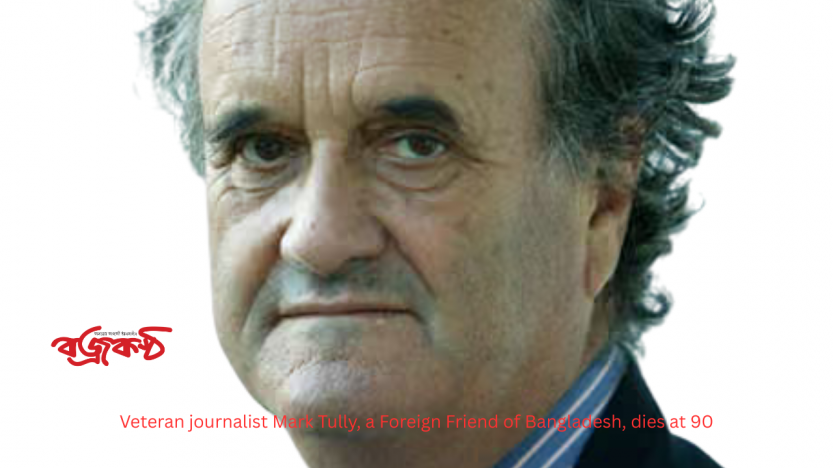
He served as the bureau chief of BBC New Delhi for 20 years and covered the 1971 Liberation War
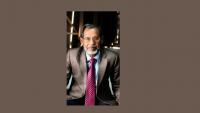
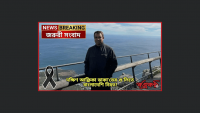
Veteran British-Indian journalist Sir Mark Tully, whose voice thousands tuned into on BBC Radio during the tumultuous days of the Liberation War and who conveyed the true picture of the massacres by Pakistani forces and the plight of the Bengali people, has died at the age of 90.
He died at a hospital in New Delhi on Sunday. The BBC Hindi Service says his passing was confirmed by former colleague Satish Jacob.
Tully was the BBC’s South Asia correspondent when the Liberation War broke out. He became a household name in Bangladesh for his news broadcasts on BBC Radio, which became a leading source of information on the conflict.
In 2012, Bangladesh named him a Foreign Friend of Bangladesh for his role in highlighting the true face of the war to the world. He visited Dhaka that year to receive the honour.
Fellow British journalist Simon Dring, who also received the Foreign Friend of Bangladesh honour, attended the event alongside Tully.
The two journalists shared their experiences of working in Bangladesh during the Liberation War.
The event was moderated by bdnews24.com Editor-in-Chief Toufique Imrose Khalidi.
Born in Kolkata’s Tollygunge in 1935, Tully went to the UK at the age of nine for his education.
He later studied history and theology at the University of Cambridge and briefly attended theological college with the intention of entering the clergy, a plan he did not pursue.
He joined the BBC and was posted to India in 1965, initially as an administrative assistant. He later moved into reporting.
He reported on major events in India, including wars, famine, communal violence, political assassinations, the Bhopal gas disaster and the Indian Army’s raid at the Sikh Golden Temple.
Tully went on to lead BBC coverage of South Asia, reporting on Bangladesh’s independence, military rule in Pakistan, the Tamil Tigers’ insurgency in Sri Lanka and the Soviet invasion of Afghanistan.
He eventually became the Delhi bureau chief, a post in which he served for 20 years.
He was often described by the UK media as one of the BBC’s most famed foreign correspondents.
In 1975, he was withdrawn from India with 24 hours’ notice following the declaration of a state of emergency by then prime minister Indira Gandhi.
He returned 18 months later and remained based in New Delhi thereafter, becoming an Overseas Citizen of India.
He received two of India’s highest civilian honours, the Padma Shri and the Padma Bhushan. In the UK, he was knighted in the 2002 New Year Honours for services to broadcasting and journalism.
Tully’s first book Amritsar: Mrs Gandhi’s Last Battle, was published in 1985. The book was co-authored with Satish Jacob, BBC’s former Delhi correspondent.
The book details Operation Blue Star at the Golden Temple in Amritsar, describing the Indian Army’s operation against Sikh militants.
Published in 1992, No Full Stops in India is widely regarded as one of Tully’s finest works.
Tully continued to write books on India, including essays, analyses, and short stories, sometimes co-authoring with his partner Gillian Wright.
বিষয়: #Bangladesh #dies #Foreign #Friend #Journalist #mark #Tully #Veteran


 Woman Arrested with 129kg Cannabis in Habiganj Raid
  BRAC Announces BDT 530 Million Self-funded Initiative for Agriculture and Social Welfare Microfinance Programme to invest around BDT 328.5 Million in agriculture
  V70 FE: Made for the Road Ahead
  Oil, War, and the Hypocrisy of Power–But Who Speaks for the Hungry Children of Bangladesh?
  Watch Bangladesh vs New Zealand, Pakistan & Australia Live on Toffee from April 17
  Banglalink introduces country’s first 5G Hajj roaming packs
  The Everyday Essential: How Infinix Note 60 Series Powers Study, Work, and Life on the Move
  vivo V70 FE: Turn Photos into Aurora-Inspired Scenes
  Banglalink and Romoni Join Hands to Empower Women Digitally and Financially
  BPCCI shared the ‘Bridging Nations, Building Prosperity’ roadmap to strengthen Bangladesh-Philippines bilateral trade