মঙ্গলবার ● ৩১ মার্চ ২০২৬
প্রথম পাতা » English » Spitalfields & Banglatown: Our Permanent Home


Spitalfields & Banglatown: Our Permanent Home
By Sunahwar Ali
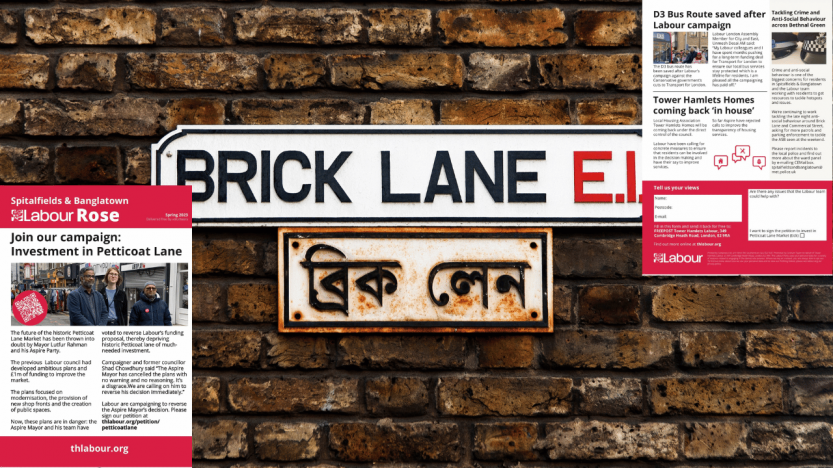
Spitalfields and Banglatown is the capital city of the Bengali community in this country. Before us, other minority communities—Huguenots, Irish, Jews—called this place home.
But each, in time, moved on.
We stayed.
Not because we faced less hostility. The National Front marched through our streets.
Our elders were attacked, our youth terrorized.
The 1970s, 80s and 90s were decades of fear. But the anti-racist movements of those decades—the street committees, the defense groups, the alliances with trade unions—made it possible for Bengali families to remain. We refused to be driven out.
Today, Spitalfields and Banglatown is the permanent home of the Sylheti Bengali community in the UK.
There was a time when this was one of the most deprived slum areas in the country.
But through regeneration funding—millions from government and private investment—the area was transformed.
The Spitalfields vegetable market moved to Hackney Marsh.
Live chicken shops were closed under planning policy. Today, Brick Lane is a tourist destination, generating jobs and wealth.
It is against this backdrop that I view the controversy surrounding the Petticoat Lane Food Court.
We Cannot Go Backwards
The recent BBC report—residents complaining of rats, rubbish, smoke, and residential garages allegedly used as toilets—reminds me of the conditions we fought to escape.
We did not fight racism for decades, we did not make this our permanent home, simply to allow new forms of nuisance to take root.
The residents affected are the children and grandchildren of those who stood on the frontlines of the anti-racist struggles.
They earned the right to live with dignity.
If traders are operating without running water or toilets, that is a failure of planning and enforcement.
Consistency Is Needed When live chicken shops were closed—many owned by our community—we accepted it because standards had to rise.
Yet here we are, with a council-established food court facing similar issues.
I am not calling for closure.
I am calling for consistency.
What Must Be Done
1. Audit sanitation facilities—every stall must have running water and toilets.
The council must provide them if lacking.
2. Coordinate waste collection—rubbish must be removed immediately after trading hours.
3. Enforce with fairness—daily inspections must lead to action where problems exist.
4. Protect residents—their complaints must be treated with seriousness.
A Responsible Future
Spitalfields Banglatown is a success story—proof that anti-racist struggle, community determination, and investment can transform a deprived area. Unlike communities before us, we are not passing through.
We are here to stay.
But success brings responsibility.
We cannot tolerate conditions we spent decades fighting to eradicate.
The Petticoat Lane Food Court can be part of our vibrant future, but only if it operates with the same standards we expect from every business in this borough.
We fought too hard to let that slip away.
Sunahwar Ali is a former Chief Whip of Tower Hamlets Council and a long-time campaigner for anti-racism, social justice, and accountability in local governance.
বিষয়: #Banglatown #Home #Our #Permanent #Spitalfields


 Telecom Fair 2026: Two-Day Event to Kick Off in Agargaon on May 17
  The Toxic Roots of Habiganj Bus Syndicate: The Fight for Justice for Jahidul and Freedom for Owners
  East London Imam Sentenced to Life for Rape Following 8-Year Investigation
  Angela Rayner Exonerated by HMRC: A Fresh Boost for Potential Leadership Bid
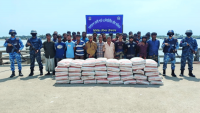
  Police Raid SA Paribahan in Sylhet: 70 Sacks of Smuggled Cumin Seized; Journalist Under Fire
  Murder Accused Hacked to Death in Cumilla’s Titas; Foreign Pistol Recovered
  BRAC Medhabikash Shongjog 2026
  HONOR 600 series launched with AI Image to Video 2.0 feature
  BRAC publishes its 2025 Annual Report 26 Million People Reached in One Year
  Tower Hamlets elects 45 ward councillors